 EZMUSCLE
2016National PT recognition
Career recognition · 2016National Personal Trainer of the Year
Displayed separately from the 2025 recognition. The verification link can be added later.
2016 record listed separatelyBuild strength, improve body composition and train with better structure through posture-first coaching led by Anthony Nitti. Anthony was named 1st Place Personal Trainer of the Year (Australia) in the 2025 Quality Fitness Awards and recognised by IRFE in its 2025 global personal trainer category.
Limited onboarding availability each month.

Structured coaching built around assessment, progressive strength and real accountability.
Structured one-to-one coaching for strength, muscle development, sustainable fat loss and consistency.
Physical-performance coaching for founders, executives and busy professionals who need energy, capacity and accountability.
Exercise selection and strength progression built around better training positions, controlled movement and individual capability.
Flexible coaching for clients who need personal training outside the primary studio or require remote programming and accountability.
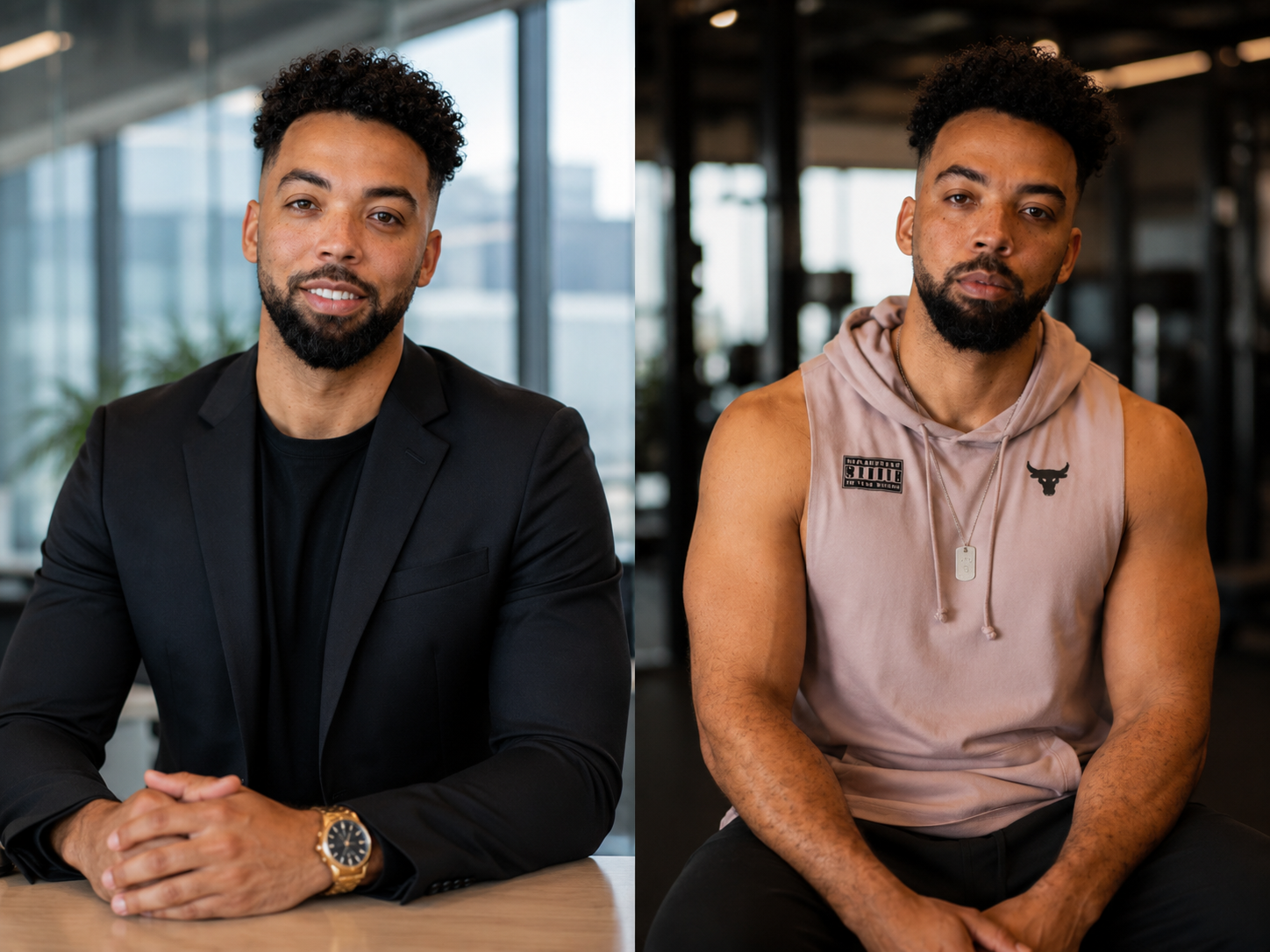
Anthony Nitti has more than 15 years of personal-training and performance-coaching experience across New York and Melbourne.
His background includes NYSC Master Trainer experience, Equinox Wall Street, business ownership, product invention and documented client transformations.
EZMUSCLE brings those experiences into one direct system: assess the client, improve training positions, progress strength and keep the plan realistic enough to follow.
Verified credentials, features and innovation
The main 2025 recognitions, patent, design, certification and editorial records are separated clearly so each claim can be understood and checked.
2025 recognition with the current badge and public results link.
Verify 2025 recognition →
International recognition linked to Anthony Nitti’s public IRFE award profile.
Verify global recognition →Displayed separately from the 2025 recognition. The verification link can be added later.
2016 record listed separately
Public patent record for the weightlifting body-form support invented by Anthony Nitti.
View patent →Australian registered designs 202114763 and 202114764.
View design record →Anthony Nitti’s public TRX trainer-directory profile.
View credential →EZMUSCLE feature published for the Australian Fitness Expo.
Read feature →Support-focused training pathways for eligible participants through an external provider partnership.
View partner →Every program begins with understanding the client, selecting the right training priorities and building progression that can survive real life.

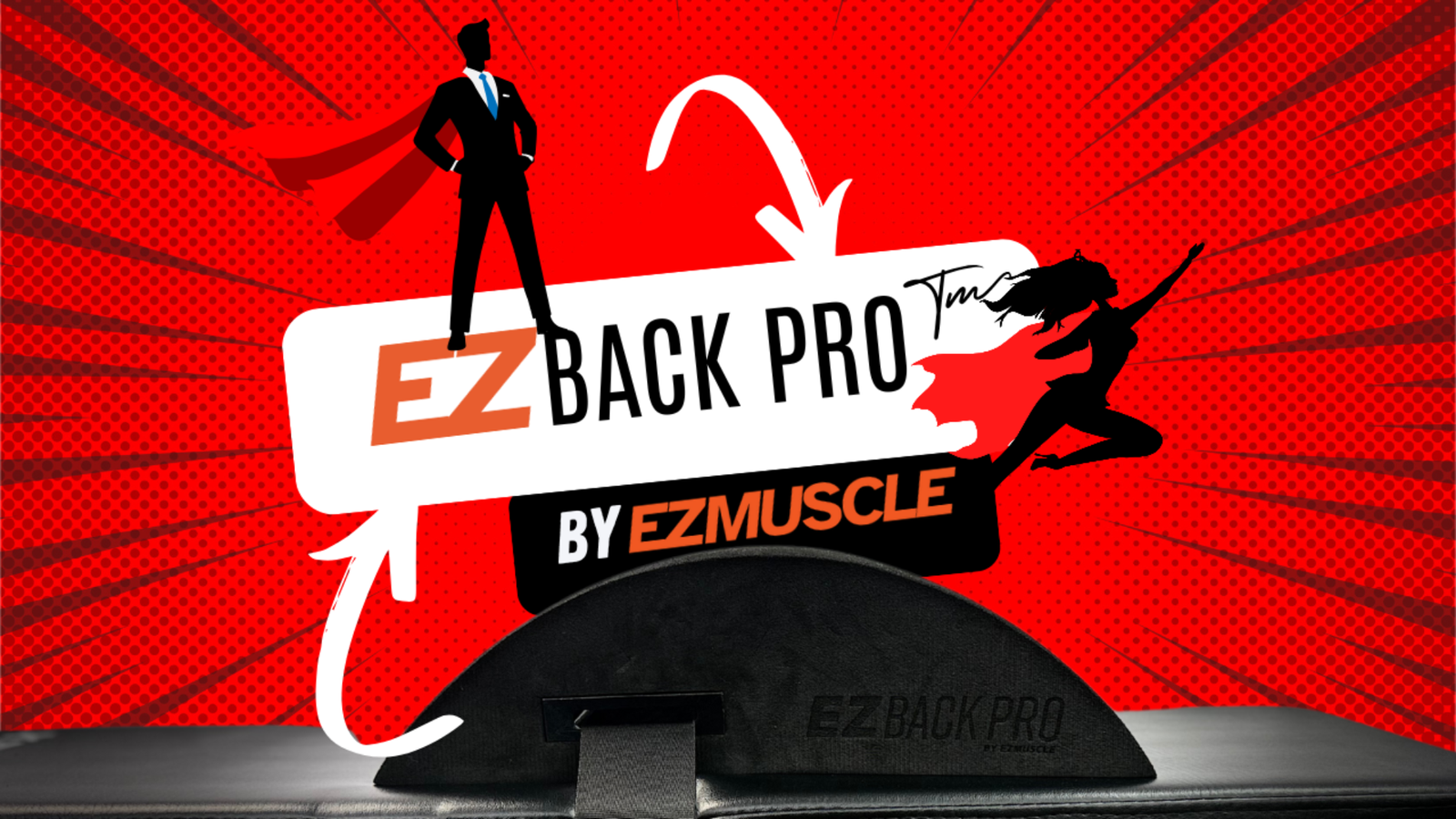
Anthony developed EZBACKPRO after identifying a practical training-position problem during strength coaching.
The underlying body-form support and attachment concept is protected by Australian Innovation Patent AU2021105042A4 and publicly listed through WIPO PATENTSCOPE.
Within EZMUSCLE coaching, the EZBACKPRO concept supports education around upper-body positioning, training setup and controlled strength progression where appropriate.
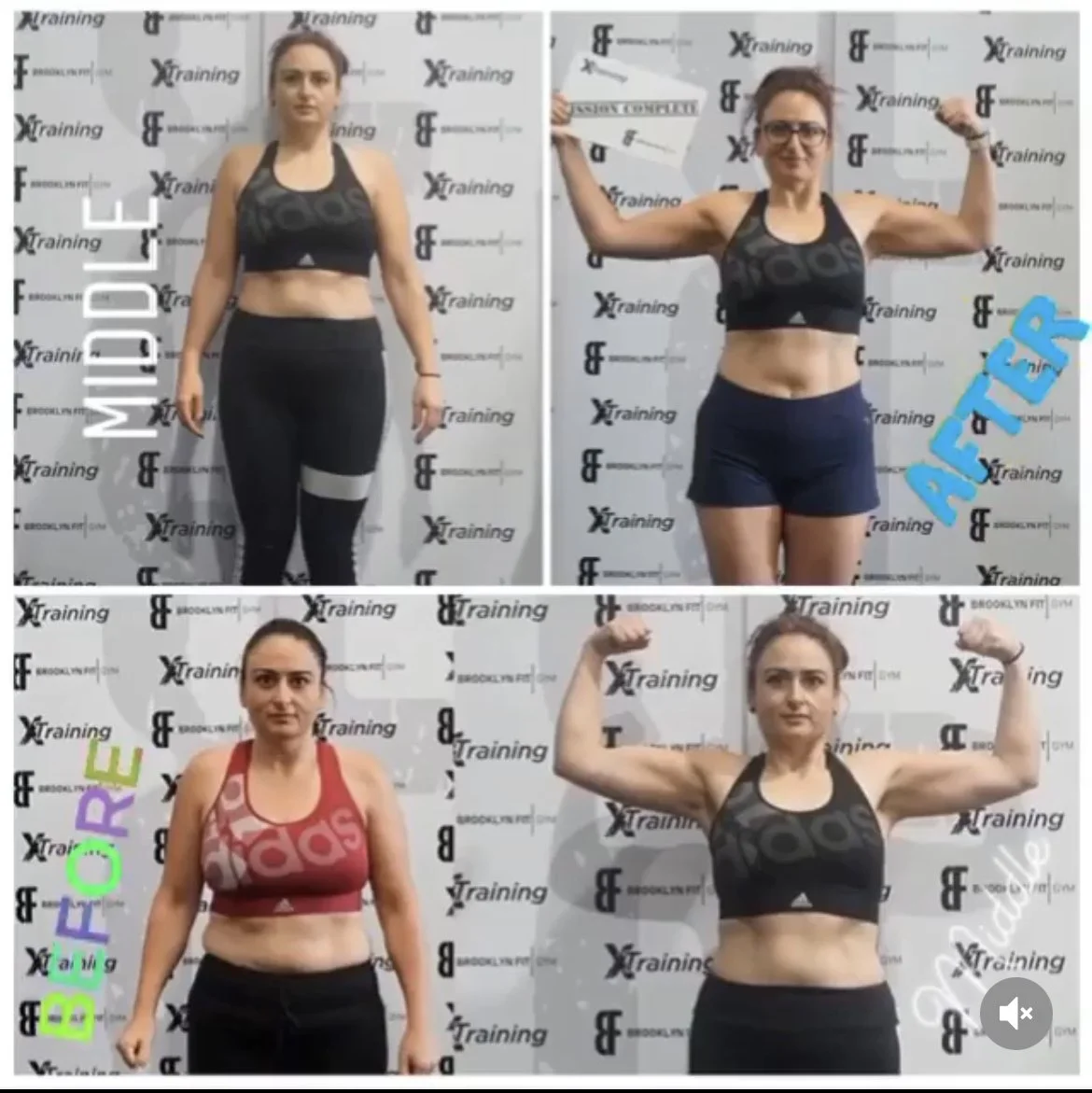
Documented client progress
Strength, body-composition, posture and confidence outcomes built through structured coaching. Individual results vary and depend on starting point, consistency, nutrition, recovery and program adherence.

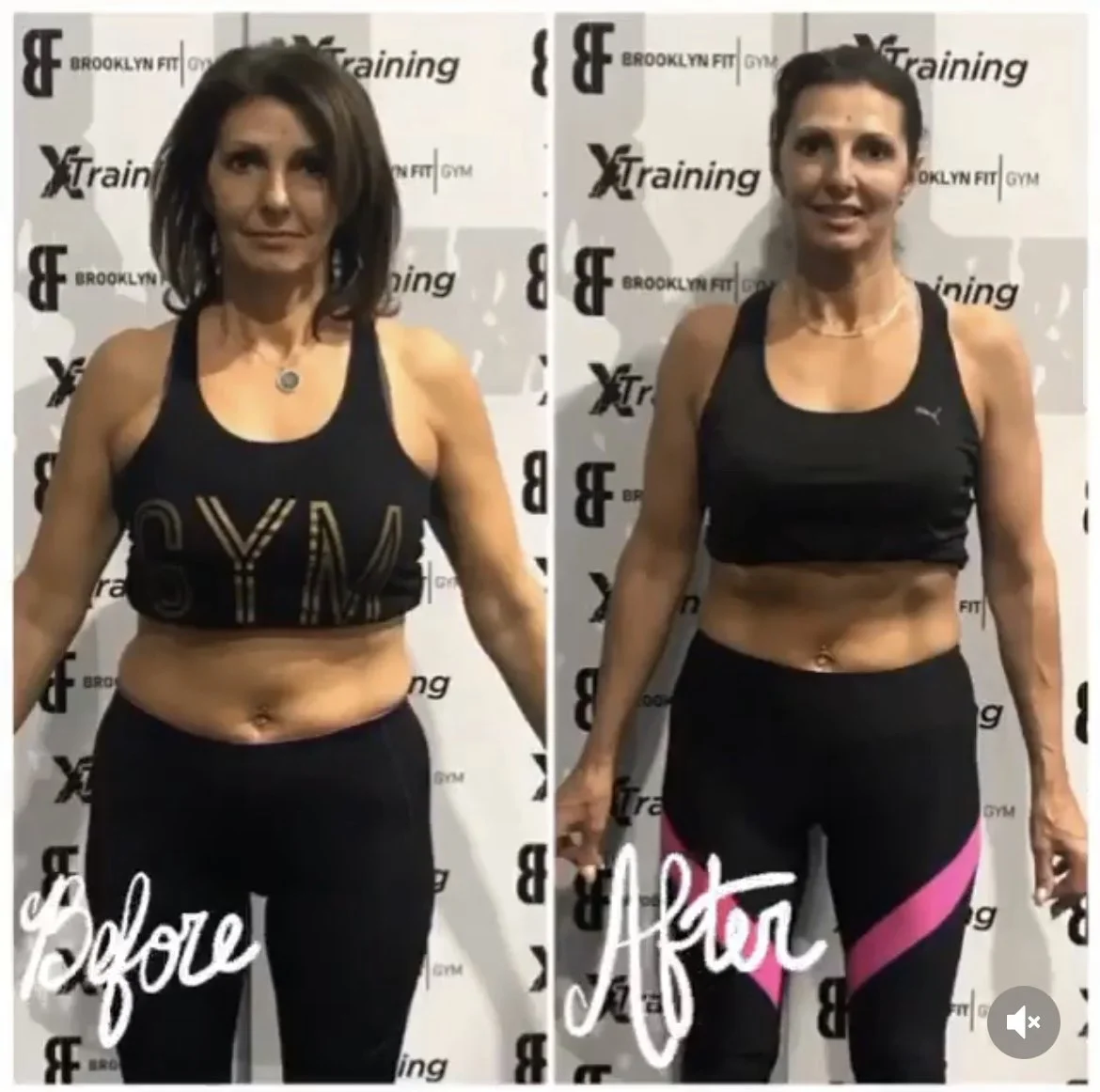
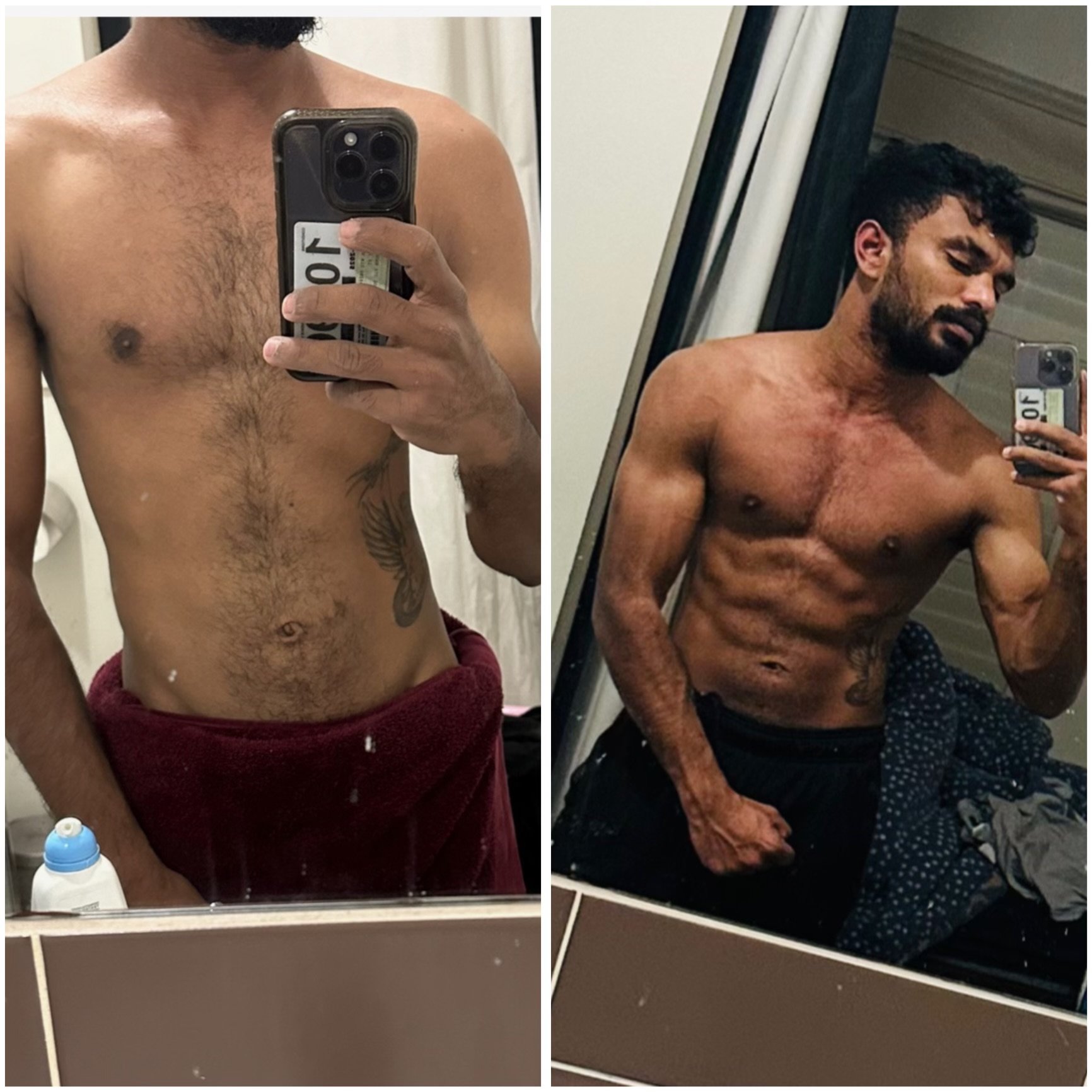
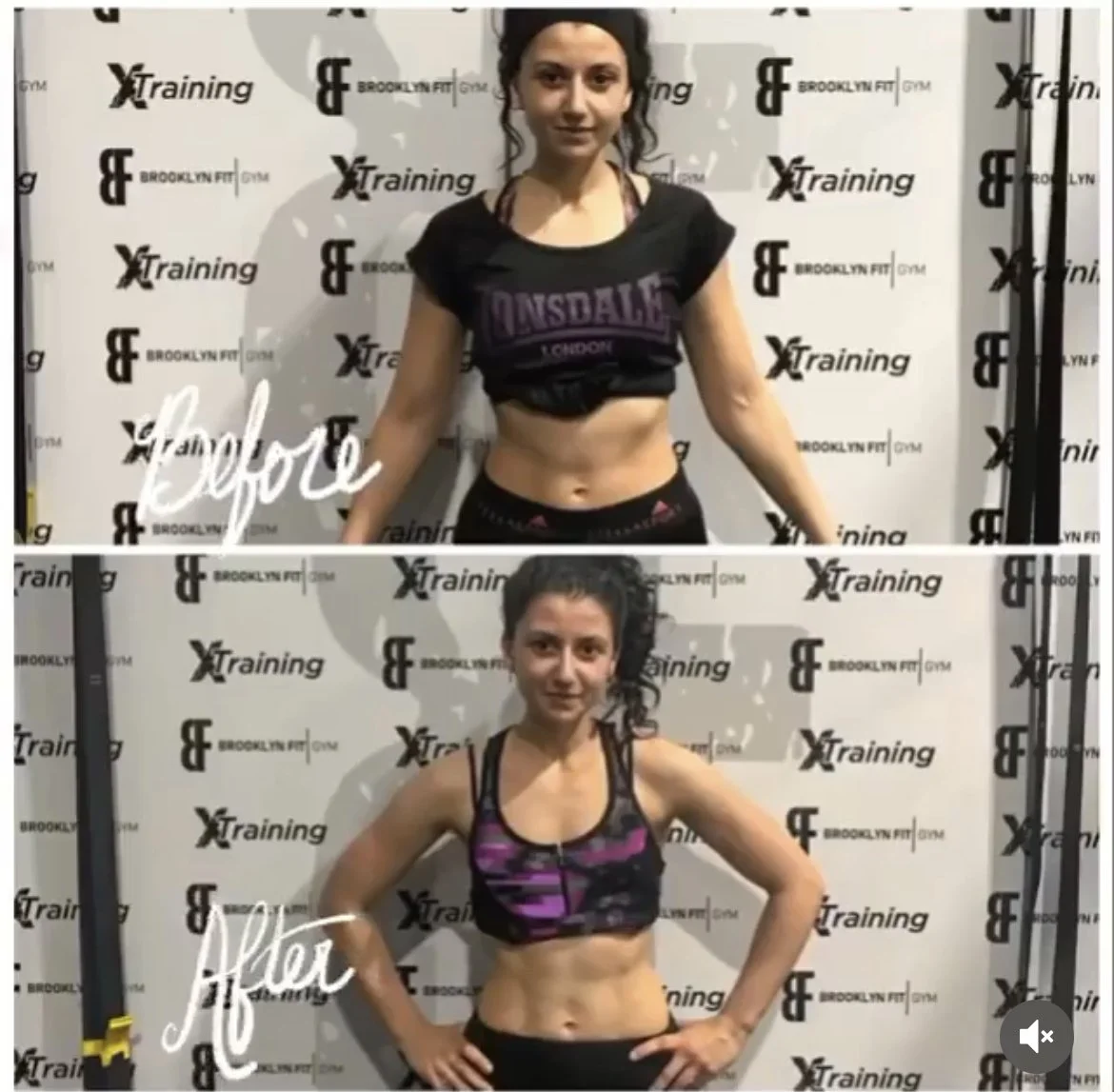
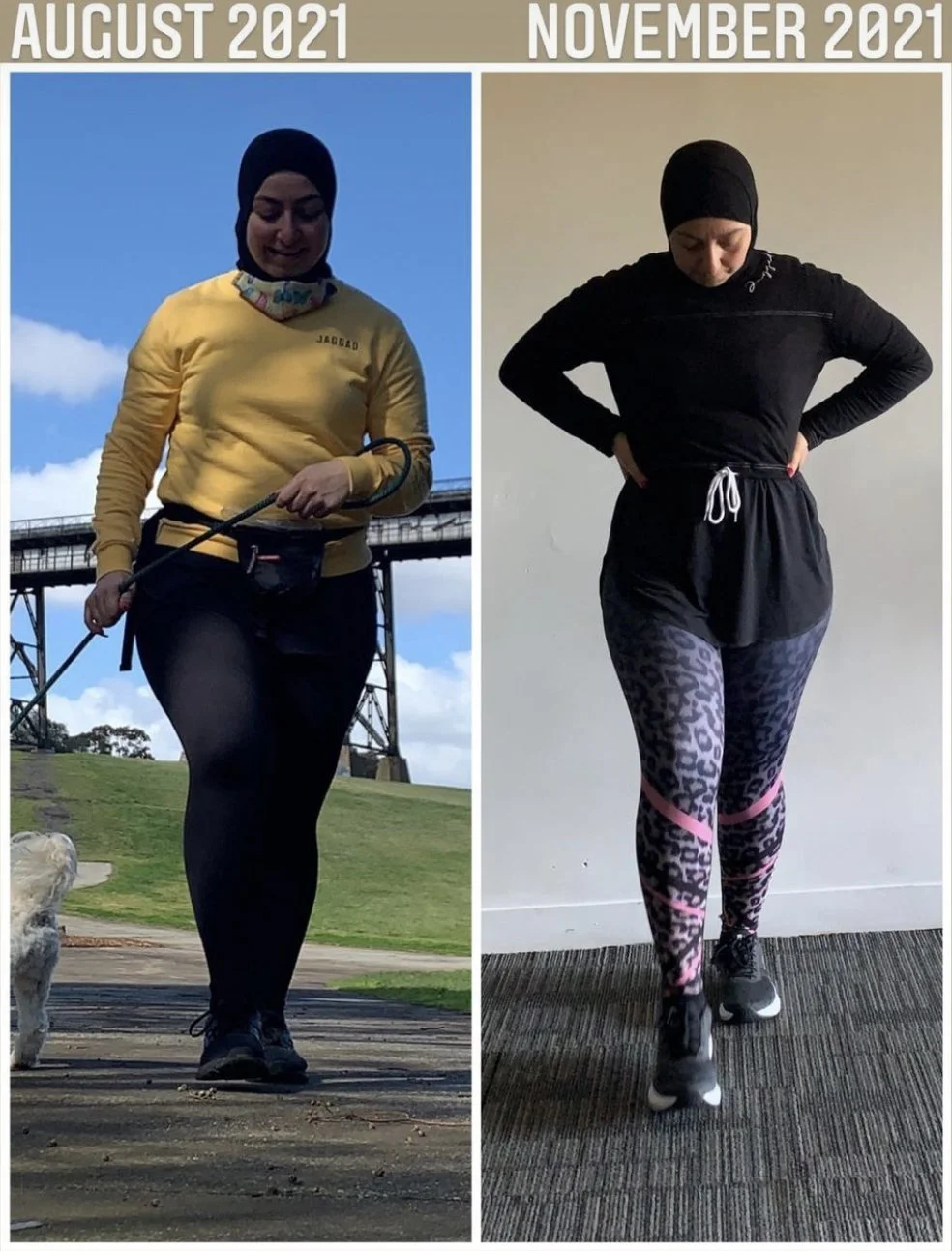

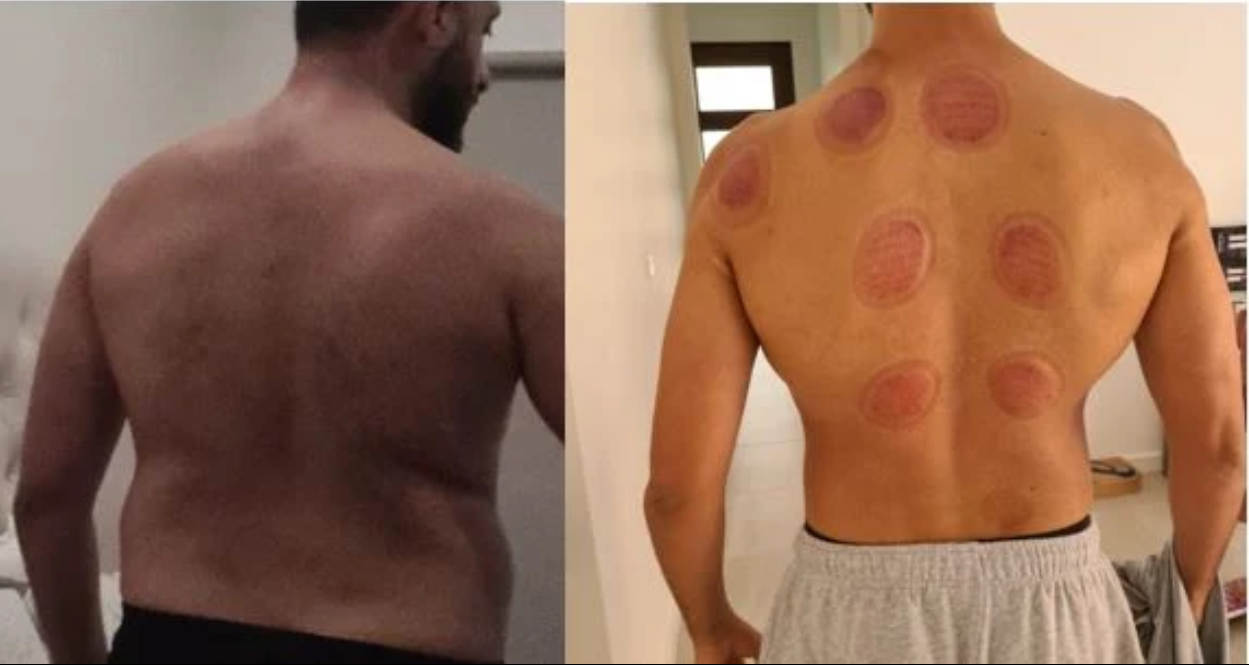
Review ratings and counts change over time. Use the review page to open the original platform, inspect current feedback and compare it with documented client transformations.
See the latest rating, review count and unedited client feedback directly on Google.
Open Google reviews →Compare review feedback with visible strength, body-composition and posture outcomes.
View transformations →Use one page to check the original review source, coaching approach and next steps.
View review page →This page does not publish auto-generated names or testimonials as client reviews. Original review platforms remain the source of truth.
The first assessment is designed to establish the right starting point. It is not a medical diagnosis or treatment session.
Goals and training-history conversation
Baseline movement and capability assessment
Body-composition scan where appropriate
Recommended program and training frequency
Clear next steps and pathway forward
EZMUSCLE is based in Roxburgh Park and supports clients across Northern Melbourne through private, mobile and online coaching.
Common questions about training, coaching and getting started with EZMUSCLE.
Start with a focused performance assessment. EZMUSCLE will review your goals, training history and current starting point before recommending the most appropriate coaching pathway.