The Posture Advantage: Melbourne’s Ultimate Coaching Guide
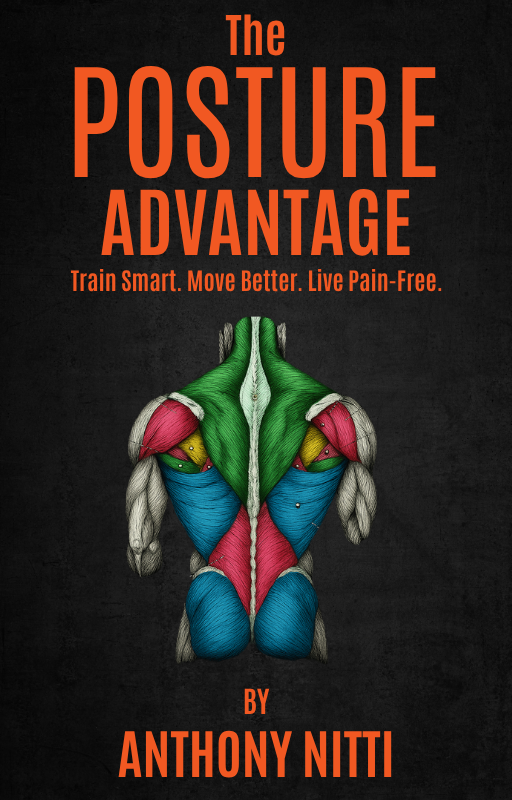
The Posture Advantage
Melbourne’s Posture-First Coaching Guide To Move Better, Breathe Better, Perform Better
The ROI that CFOs and athletes both understand
Prevention is not just healthier, it is cheaper. A typical posture-related injury may cost around $11,000 AUD to treat, while comprehensive prevention programs average about $850 AUD, a 12.9 to 1 return.
The EZBack Pro neural-training system in plain English
Your spine and rib cage are sensors for movement quality. The EZBack Pro gives tactile, repeatable cues that speed up postural motor learning across three progressive levels: gentle awareness for beginners, deeper thoracic engagement for intermediates, and full-range stability for advanced users and athletes.
The 30-minute Foundation Training Session
Warm-up – 5 minutes: spinal activation, EZBack Pro thoracic extension, dynamic prep
Main set – 20 minutes: flat dumbbell press, seated shoulder press, single-arm rows, all executed with alignment cues from the EZBack Pro
Cool-down – 5 minutes: decompression, light mobility, breathing reset
Progress only when every rep is stable and well-aligned. T
Who it is for
Desk workers and busy professionals who need measurable results with limited time
Athletes who want better force transfer through a stable spine and fewer soft-tissue issues
Adults 60 plus seeking balance, posture control, and safer strength development
Testimonials from professional athletes show carryover to pressing strength and striking power when alignment stays locked in. The Posture Advantage_ Revoluti…
Nutrition that supports posture change
Anti-inflammatory basics help tissue quality and recovery: fatty fish, leafy greens, and a colourful vegetable intake; limit ultra-processed foods, excess sugar, and trans fats.
People-Also-Ask style Q&A (voice search ready)
Does poor posture really affect breathing?
Yes. Slouched posture can cut lung function by about 24 percent, which limits oxygen delivery and performance. The Posture Advantage_ Revoluti…
How much injury risk is tied to spinal misalignment?
Misalignment increases disc compression on the front side, stretches the back of discs, and can raise injury risk by up to 70 percent during loaded movement. The Posture Advantage_ Revoluti…
What is the simplest plan I can follow?
Two to three 30-minute sessions per week that pair strength work with alignment cues. Keep reps crisp, breathe into your ribs, and only add load when every set stays rock solid. The Posture Advantage_ Revoluti…
Is there evidence this approach works at scale?
Yes. The methodology draws from large samples across peer-reviewed research and national statistics, including ABS and Safe Work Australia data. The Posture Advantage_ Revoluti…
Quick-start How-To
Set alignment with the EZBack Pro under the thoracic region and feel the ribs expand 360 degrees. The Posture Advantage_ Revoluti…
Lock the brace by lightly exhaling, then breathing low and wide.
Lift with intent through presses and rows while maintaining rib-to-pelvis control. The Posture Advantage_ Revoluti…
Finish with decompression and a breathing reset.
Progress the level only when every rep holds perfect posture.
Melbourne service note
Train in Roxburgh Park HQ, studios in Cremorne and Epping, or book mobile training across the CBD and nearby suburbs. This keeps your commute short and your alignment consistent session to session.
Tags
Posture, Breathing, Spinal Stability, Thoracic Extension, Performance, Melbourne, EZBack Pro
Author
Anthony Nitti
Location and language
Melbourne VIC Australia, en-AU
Publish date
06 Oct 2025
Last modified
06 Oct 2025
Estimated reading time
6 to 8 minutes